
Selecting good materials for temperature control is vital for saving energy and preserving comfort in homes. Using dependable materials can also lower electricity use and improve air quality for a better environment. For those exploring insulation rockhampton services, understanding the differences between materials can guide better decisions that suit each building’s specific needs. Here, we can see the benefits, a few tips, and practical suggestions to help make informed choices.
Fiberglass Material
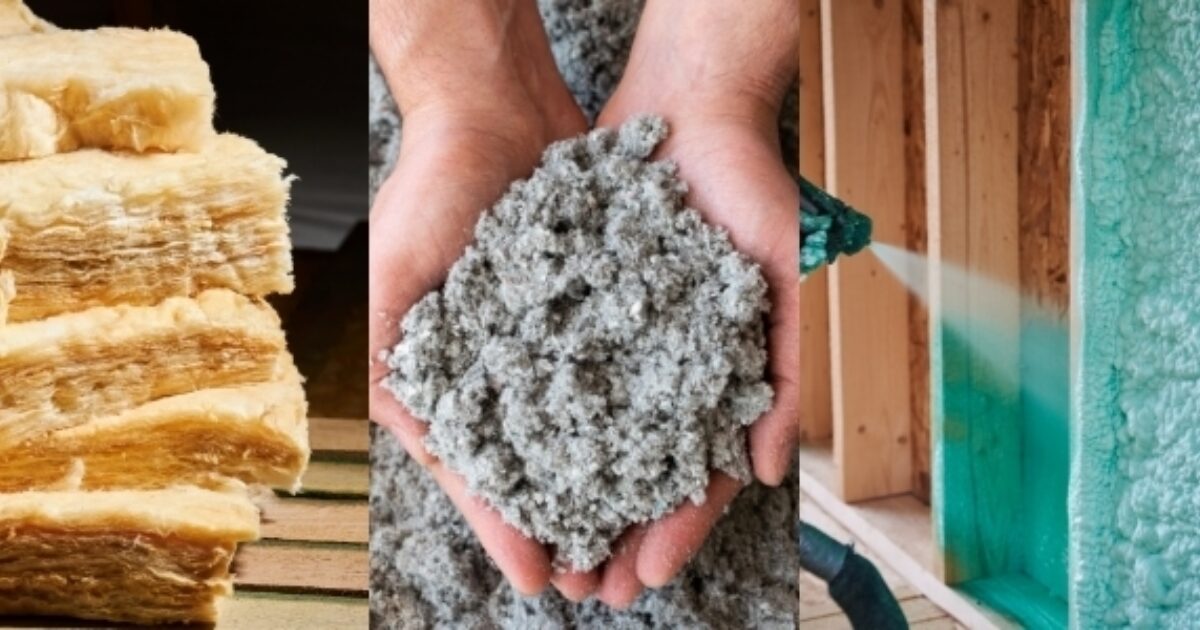
Fiberglass remains very common due to its cost efficiency and effective thermal resistance. It prevents heat transfer, keeping interiors stable during varying seasonal conditions while requiring minimal repair.
Foam Solutions
Foam materials enlarge and fill gaps professionally, ensuring whole air sealing and continuing performance. They are appropriate for irregular spaces and help regulate temperature evenly.
Reflective Barriers
Deep surfaces block the sun’s radiant energy, stopping heat buildup inside rooms. They are perfect for warmer areas and work best when installed under roofs.
Cellulose Options
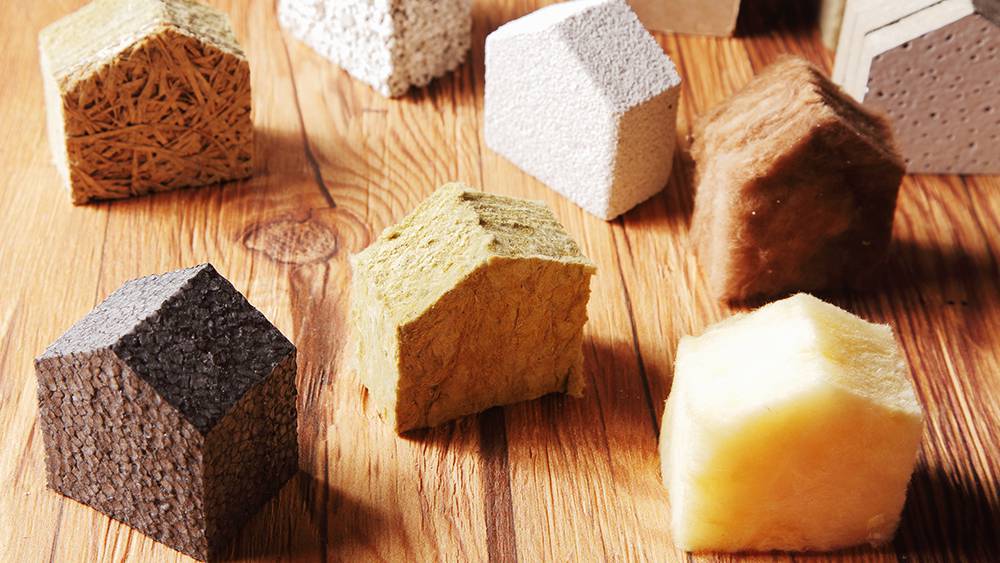
Made from recycled paper products, cellulose helps manage temperature by trapping air. It offers excellent coverage while being an environmentally conscious choice for sustainable buildings.
Wool-Based Materials
Natural wool resists moisture naturally while maintaining insulation capacity. It supports cleaner indoor air since it absorbs contaminants without losing thickness or form over time.
Spray Mixtures
Spray solutions reach small gaps easily, making them ideal for modern construction. These mixtures deliver consistent energy saving and protection from moisture-related issues efficiently.
Blanket Type
Blanket rolls are easy to install and affordable for large coverage. They resist fire and condensation effectively, ensuring balanced protection across multiple surfaces of a house.
Loose Fill
Composed of small fibers, this type fits irregular shapes properly. It adapts well during renovations as it can fill cavities quickly without alteration.
Choosing the Best
Every property has different requirements based on space and climate. Some factors guide the best selection.
- Check the energy efficiency rating, ensuring steady performance.
- Review installation accessibility based on material type.
- Measure cost alongside future maintenance needs carefully.
- Consider moisture control mechanisms for durability.
- Compare the environmental impact before installing insulation layers.
Maintenance Advice
Proper upkeep ensures reliability and extended value. Watch for damage, moisture, or gaps to sustain lasting performance.
- Clean ventilation points every season for airflow balance.
- Replace worn materials whenever energy bills rise suddenly.
- Keep humidity controlled for effective insulation lifespan.
- Inspect seals, pipes, and openings for leakage regularly.
- Choose a professional evaluation yearly for preventive support.
Evaluating spaces, choosing appropriate materials, and maintaining regular inspections guarantee steady energy savings and indoor comfort. A consistent approach to care and selection ensures long-term benefits without unnecessary expenses. Alongside professional guidance, timely replacements, and wise investments deliver higher efficiency. Examining each aspect thoughtfully results in improved home warmth control. Homeowners seeking insulation rockhampton professionals should focus on materials promising value, endurance, and eco-friendly comfort for their homes.
FAQs
What is the most affordable insulation?
Fiberglass is typically reasonable and offers good heat blocking with low maintenance and wide availability.
Do natural insulations work effectively?
Yes, natural materials like wool or cellulose are reliable for regulating indoor temperature and air quality.