
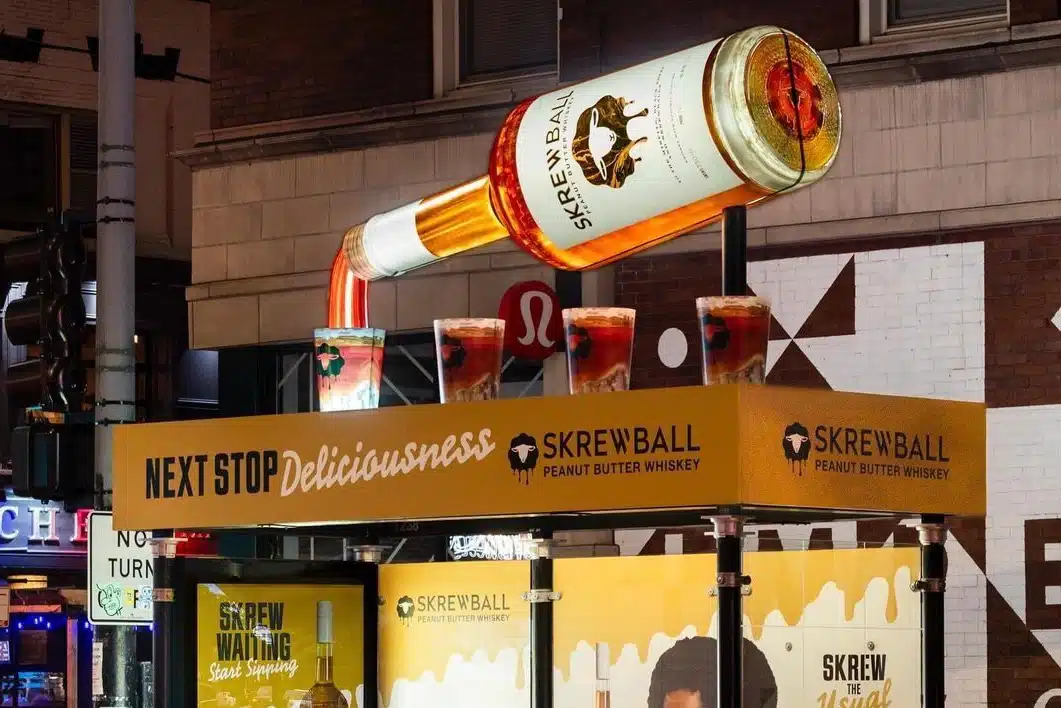
Immersive brand environments guide attention through coordinated light, sound, and motion cues. Each element shapes a unified atmosphere that feels intentional, expressive, and deeply memorable. Carefully arranged components create emotional depth without overwhelming visitors, allowing brand messages to unfold with clarity across shifting moments. Strategic inspiration also draws from expert insights like https://wearetrademark.com/blog/best-experiential-marketing-agencies-new-york-city/ which demonstrate elevated real-world execution.
Immersion That Strengthens Brand Recall
Sensory consistency influences how participants interpret branded themes across interactive zones. Each detail reinforces storytelling by guiding perception through subtle, continuous transitions. The environment supports strong recall by giving audiences meaningful points of interaction that feel intentional and grounded.
Engagement Design Principles That Guide Execution
Designers shape each activation layer to align with emotional goals. Clear alignment ensures messaging stays cohesive across the space.
- Visual cues strengthen primary narrative signals
- Sound design moves attention between moments
- Textural details support deeper spatial meaning
- Lighting shifts guide emotional interpretation
Well-coordinated elements allow visitors to move effortlessly while interpreting brand themes. These interactions remain accessible yet compelling, encouraging audiences to engage at a comfortable rhythm.

What Encourages Audiences To Stay Longer?
People linger when the space offers steady discovery without creating sensory fatigue. Gentle progression between zones keeps curiosity active while still feeling natural. Attendees stay connected when each moment builds on the last, reinforcing comfort and sparking subtle anticipation as they explore further.
Tactile Interaction Layers Supporting Presence
Tactile features encourage physical exploration that deepens emotional context. Layered textures help reinforce the intended sensory signature.
- Soft materials support calm exploratory pacing
- Smooth finishes anchor thematic consistency
- Elevated surfaces define interactive pathways
- Varied textures highlight important focal areas
People intuitively interpret brand cues through physical contact when textures complement the surrounding atmosphere. This alignment strengthens recognition and encourages relaxed movement through the environment.
How Do Audiences Respond To Sensory Overlap?
Participants interpret overlapping cues favorably when each sensory input supports a shared message rather than competing for attention. Balanced integration helps maintain comfort while enriching perception.
Why Do These Environments Influence Messaging?
Experiential staging influences brand interpretation by shaping emotional context before conscious evaluation happens. Small environmental shifts enhance meaning through intuitive cues embedded throughout the space.
Design teams apply thoughtful sequencing to highlight narrative beats that resonate with audience expectations, as reflected in insights shared within https://wearetrademark.com/blog/best-experiential-marketing-agencies-new-york-city/ which illustrate refined experiential strategy.
Audience Navigation Patterns Across Adaptive Zones
Adaptive layouts respond fluidly to different crowd rhythms. These adjustments preserve clarity as visitors shift attention between interactive zones. Balanced transitions help maintain momentum while reinforcing emotional tone.
- Wide pathways support relaxed circulation patterns
- Spatial zoning clarifies audience direction naturally
- Adjustable segments manage varied group pacing
- Layered entrances distribute attention smoothly
Movement patterns influence how messaging is absorbed, making adaptable layouts essential for maintaining coherence. Attendees feel guided without being restricted, helping brand stories unfold through intuitive navigation.
Natural Flow That Completes The Experience
Branded environments feel most effective when every transition contributes to a unified emotional journey. The sense of completion emerges gradually as visitors encounter consistent cues across each zone. A well-shaped setting closes the experience with subtle resonance, encouraging lasting connection without forcing a final message.