Pricing plays a powerful role in how consumers evaluate products, especially in emerging industries. In the electric vehicle market, price is more than a number on a specification sheet—it signals quality, innovation, accessibility, and long-term value. As electric mobility continues to expand, pricing strategies increasingly influence adoption, trust, and brand positioning.
Unlike traditional vehicles, electric models introduce new cost considerations. Battery technology, software integration, charging infrastructure, and long-term operating costs all affect how consumers interpret price. Understanding this dynamic reveals why pricing decisions can accelerate or slow market acceptance.
Price as a Signal, Not Just a Cost
Consumers rarely view price in isolation. Instead, price acts as a signal that communicates where a product sits in the market. Higher prices often suggest advanced technology, premium materials, or exclusivity. Lower prices emphasize accessibility and practicality.
In electric vehicles, this signaling effect is amplified because the technology is still evolving. Buyers use price to infer reliability, performance, and future relevance. A price that feels disconnected from perceived value creates hesitation, even if the technology is strong.
Successful pricing aligns expectations with experience.
The Complexity of Electric Vehicle Pricing
Electric vehicle pricing reflects a different cost structure compared to combustion vehicles. Battery development, energy density, and supply chain stability influence manufacturing costs. Software features and updates also add long-term value beyond initial purchase.
At the same time, electric vehicles often offer lower operating and maintenance costs. Fewer moving parts, reduced fuel expenses, and potential incentives alter total ownership cost over time.
Consumers increasingly evaluate price through a long-term lens rather than focusing only on upfront expense.
Psychological Thresholds and Buyer Behavior
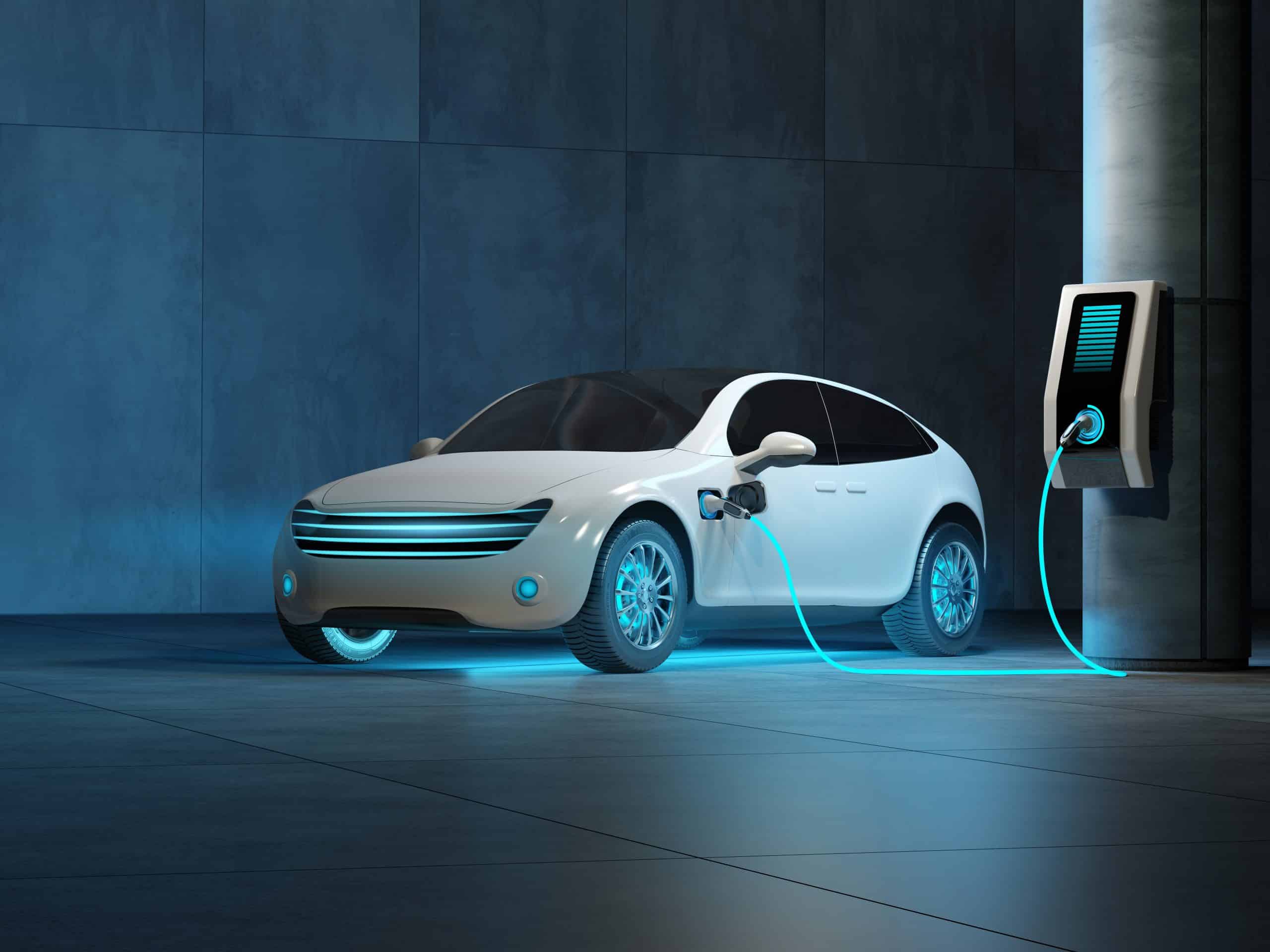
Pricing psychology plays a crucial role in purchase decisions. Certain thresholds act as mental barriers. Crossing them can dramatically reduce interest, even if the difference is marginal.
Buyers often compare electric vehicle prices to familiar benchmarks. When prices exceed expectations without clear justification, skepticism grows. Transparent communication helps bridge this gap.
Clear explanations of what drives value improve confidence and reduce uncertainty.
Market Positioning and Competitive Context
Pricing does not exist in a vacuum. It is interpreted relative to competitors. Similar features at different prices invite direct comparison, forcing consumers to assess differentiation.
Manufacturers must decide whether to compete on affordability, innovation, or exclusivity. Each approach attracts a different audience and shapes long-term brand identity.
In discussions around premium electric vehicles, the cadillac lyriq price often appears as a reference point when evaluating how brands position technology within perceived luxury segments.
Incentives, Policy, and Price Perception
Government incentives influence how consumers perceive price. Rebates, tax credits, and subsidies can shift perceived affordability without altering base pricing.
However, reliance on incentives introduces uncertainty. Policies change, and consumers may delay decisions while waiting for favorable conditions. Stable pricing strategies help mitigate this volatility.
Clear communication about total cost, with and without incentives, supports informed decision-making.
Total Cost of Ownership as a Value Metric
More buyers now consider total cost of ownership rather than sticker price alone. Charging costs, maintenance, insurance, and resale value contribute to overall value assessment.
Electric vehicles often perform well in this analysis, especially for long-term ownership. Communicating these benefits effectively helps align price perception with real-world economics.
When buyers understand long-term savings, upfront price becomes less intimidating.
The Role of Transparency in Pricing Trust
Transparency builds trust. When pricing feels arbitrary or opaque, consumers hesitate. Clear breakdowns of features, options, and future updates improve confidence.
Subscription-based features and software unlocks introduce new pricing considerations. While flexible, they can also confuse buyers if not explained clearly.
Trust increases when pricing feels fair, consistent, and predictable.
Brand Equity and Pricing Power
Strong brands command pricing power. Reputation, reliability, and emotional connection justify premium positioning. In electric vehicles, brand trust matters because buyers invest in long-term ecosystems rather than standalone products.
Pricing reinforces brand promises. Inconsistent pricing weakens credibility. Consistent alignment between message and experience strengthens loyalty.
As electric mobility matures, brand-driven pricing becomes more pronounced.
Global Market Variations
Pricing strategies vary across regions due to taxation, infrastructure, and consumer expectations. What feels affordable in one market may feel premium in another.
Manufacturers must adapt pricing without diluting brand identity. Localized strategies balance global consistency with regional relevance.
This complexity underscores why pricing decisions require strategic nuance rather than simple cost calculation.
Innovation, Risk, and Early Adoption
Early adopters often tolerate higher prices in exchange for innovation. They value access to new technology and are willing to accept risk.
As markets mature, expectations shift toward affordability and reliability. Pricing must evolve accordingly to reach broader audiences.
Timing matters. Price that feels right today may feel outdated tomorrow.
Media Narratives and Public Perception
Public discussion influences how price is perceived. Media coverage, reviews, and comparisons shape expectations before consumers engage directly.
When narratives focus solely on cost without context, perception skews negative. Balanced discussion highlights value, performance, and ownership experience.
In many automotive conversations, cadillac lyriq price surfaces not just as a number, but as a reference point in broader debates about value, innovation, and positioning.
Pricing as a Strategic Decision
Pricing decisions reflect long-term strategy. They influence market share, brand trajectory, and customer relationships. Short-term gains achieved through aggressive pricing may undermine future trust.
Sustainable pricing aligns cost, value, and expectation. It supports growth without sacrificing credibility.
In electric mobility, pricing is not just about selling vehicles—it is about shaping confidence in the future.
Understanding Price Beyond the Label
Price tells a story. It reflects priorities, signals intent, and sets expectations. In the electric vehicle market, where change is constant, price becomes a guide for interpretation rather than a final judgment.
Consumers who understand the broader context make better decisions. Brands that communicate value clearly build lasting relationships.
As electric mobility continues to evolve, pricing will remain one of the most powerful tools shaping perception, adoption, and trust.