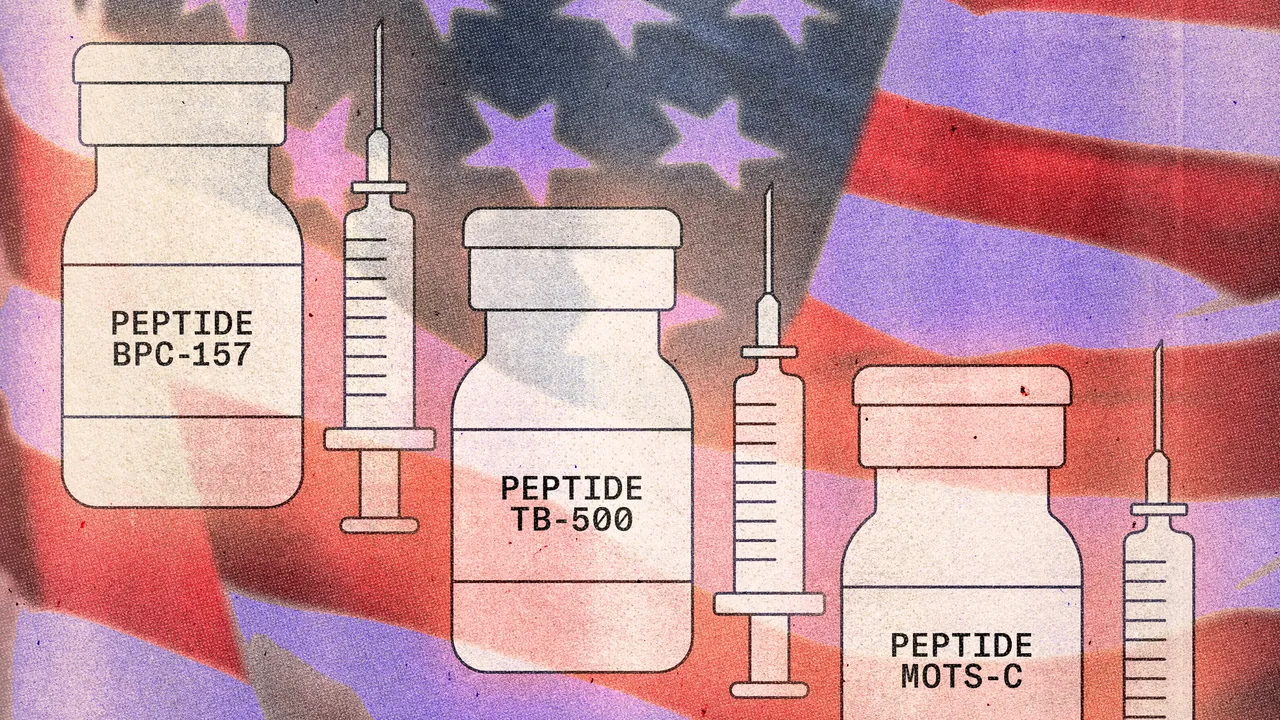
Reliable peptide research begins with precise documentation. CJC-1295 and Ipamorelin require clear identification, handling notes, purity data, and storage guidance. For readers evaluating research suppliers, buy CJC-1295 UK searches can help locate documentation-rich product listings. Strong records also distinguish experimental materials from clinical products. A useful document should make every important specification easy to verify. That standard supports consistent laboratory planning, responsible material selection, and cleaner research records.
Product Identity Establishes Research Confidence
Clear identity data forms the foundation for meaningful laboratory work. A detailed record should state peptide names, sequence information, molecular details, and product identifiers. Lot numbers also connect documentation with physical containers. These details help researchers trace materials across experiments and storage periods.
- Product names should remain unambiguous.
- Lot identifiers should match packaging.
- Molecular information should support verification.
- Storage guidance should remain clearly visible.
Which Purity Details Matter Most?
Purity figures become useful when supporting analytical interpretation. Documentation should distinguish stated purity from broader quality claims. Analytical methods can also explain how a reported figure was established. For CJC-1295 Ipamorelin materials, chromatographic information offers stronger context than an isolated percentage.

Handling Notes Shape Experimental Consistency
Storage conditions can influence material integrity over time. Good documentation therefore specifies temperature ranges, container requirements, and exposure considerations. Researchers working with tesamorelin peptide materials can apply the same documentation discipline when comparing related research compounds.
- Record storage conditions before experimentation.
- Minimize unnecessary exposure during handling.
- Keep original identifiers attached throughout use.
- Document relevant preparation details carefully.
Can Documentation Improve Laboratory Traceability?
Traceability connects a material to its experimental history. A useful record links batch information, receipt dates, storage observations, and analytical findings. Such continuity makes discrepancies easier to investigate. It also reduces confusion when multiple peptide products occupy one research environment.
What Should A Research File Include?
A strong file brings technical and administrative details together. Certificates, analytical results, product identifiers, storage instructions, and handling notes create a practical reference point. Researchers can then compare batches using consistent criteria rather than relying on memory or informal labels.
- Certificates should remain linked to batches.
- Analytical results deserve clear dates.
- Containers need matching identifiers.
- Research notes should preserve material context.
Documentation Turns Details Into Evidence
Detailed records do more than describe a peptide. A batch number, purity result, or storage instruction can become evidence supporting experimental interpretation. That reframes documentation as part of research quality itself. When records remain precise, even small observations gain greater value.
FAQs
What should CJC-1295 Ipamorelin documentation contain?
It should identify the material, batch, purity information, storage requirements, and analytical records.
Why do batch numbers matter?
Batch numbers connect physical material with its supporting documentation and research history.
Does purity percentage provide enough information?
No. Analytical method and supporting results provide essential context for interpreting purity.
Why record storage conditions?
Storage records help researchers evaluate material handling and maintain consistent experimental practices.