Old pink, green, or beige tubs can make any bathroom feel tired. Replacing them usually means broken tiles, plumbing work, plus high costs. Thankfully, Ideal Resurfacing shows how to refinish a bathtub without any demolition at all. Fresh coatings now deliver crisp bright tones or soft tailored hues. Most homeowners see a renewed washroom within roughly two days.
Dated Tub Tones Drag Down Room Appeal
Strong retro hues often clash with current fixtures or flooring choices. Buyers frequently notice these tired tones during home viewings first.
Older glazes also tend to stain faster as years pass by. A worn surface can make even a clean bathroom look neglected.
Bright Neutral Coatings Suit Nearly Every Room
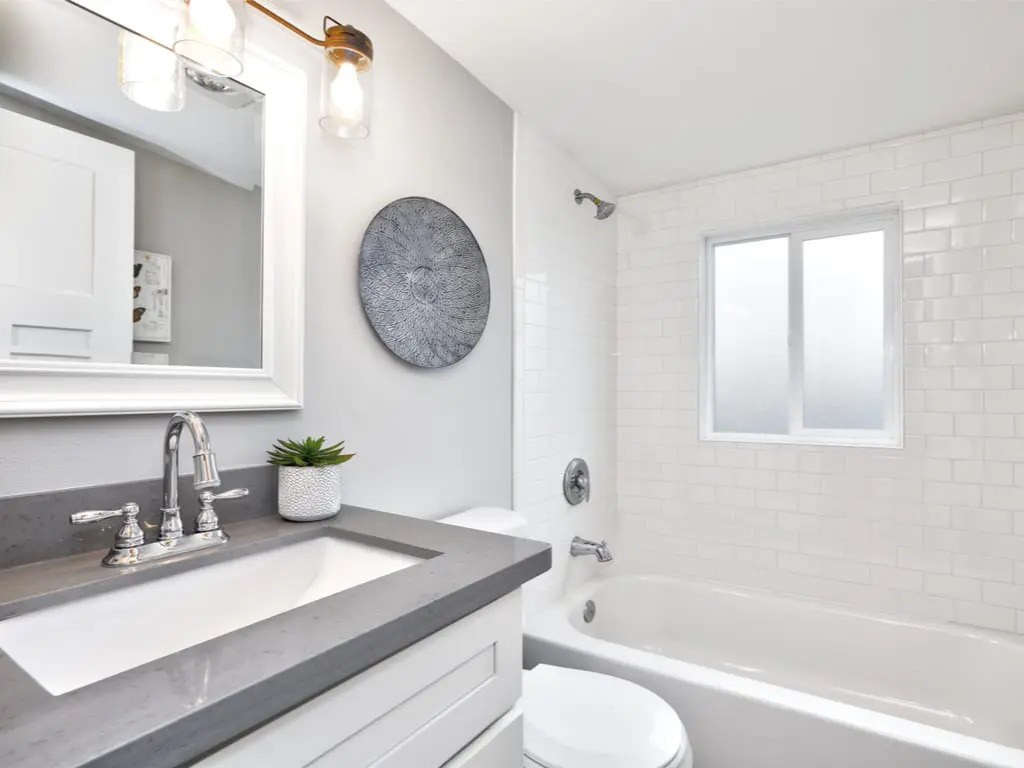
Clean neutral surfaces reflect light well, making small bathrooms feel larger. They also pair easily with metal, stone, or wooden accents.
Tailored Tints Let Homeowners Express Personal Style
Soft greys, muted blues, or warm creams are popular choices right now. Professional crews can blend almost any tone to match surrounding tiles.
- Matte coatings offer a calm, understated look for contemporary washrooms.
- Glossy sheens bounce daylight around cramped rooms quite effectively.
- Earthy hues complement natural stone counters or timber vanity units.
- Pale pastel options soften harsh lighting inside windowless bathrooms nicely.
- Requesting sample swatches first prevents disappointing surprises after application.
A recent guide where Ideal Resurfacing shows how to refinish a bathtub highlights careful preparation as the real secret. Skipping cleaning or repair steps often causes peeling within months.
Steps Behind a Lasting Tub Makeover
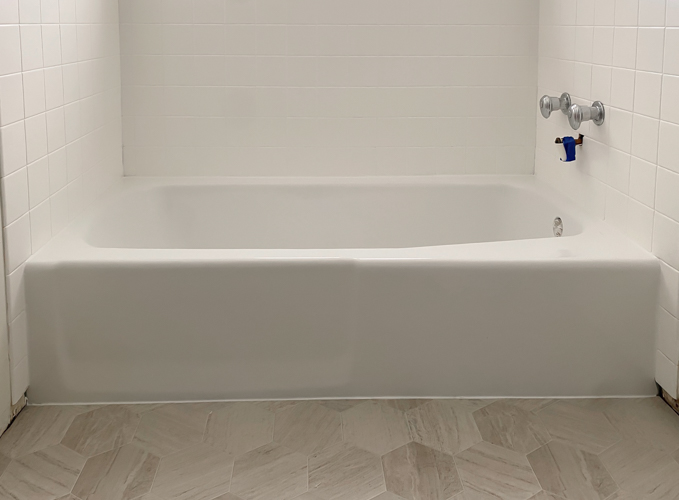
Good results depend on preparation more than the coating itself. Each stage builds a strong bond between the old surface plus new layer.
- Technicians deep clean soap scum, mineral deposits, or oily residue thoroughly.
- Chips, cracks, or rust spots get filled before any priming begins.
- Low odour bonding agents help fresh layers grip glazed porcelain securely.
- Leave the tub untouched for around 48 hours while curing completes.
| Finish Option | Look | Best Suited For | Upkeep |
| Bright neutral | Crisp and clean | Small or dim rooms | Weekly wipe |
| Matte tone | Soft and muted | Contemporary designs | Gentle cleaner only |
| Glossy tint | Shiny and reflective | Compact washrooms | Easy wiping |
| Earthy shade | Warm and natural | Stone or timber decor | Mild soap |
| Pastel hue | Light and gentle | Windowless rooms | Nonabrasive pads |
Every option lasts many years when cleaned with gentle products regularly. Avoid bleach or scouring powders since they dull refinished surfaces quickly.
Common Questions Homeowners Often Ask
- How long does a refinished tub usually last?With gentle care, most coatings stay attractive for ten to fifteen years.
- Can any colour be matched exactly to existing tiles?Skilled technicians can mix tints to closely match your current tiles. Bringing a spare tile sample helps them get the tone right.
- Is refinishing cheaper than a full tub replacement?Refinishing typically costs a fraction of what full replacement demands. It also avoids plumbing changes plus tile demolition entirely.
- Does the refinishing process create strong smells indoors?Modern low odour products reduce fumes considerably compared with older formulas. Good ventilation during the work still matters for safety.
- Can a refinished surface be recoated again later on?Yes, the surface can be refreshed again once wear eventually appears.
Fresh Tones Ahead
Faded retro baths no longer demand expensive removal or messy rebuilding. Neutral surfaces brighten compact rooms while personalised tints show owner taste. Careful preparation decides whether a new layer survives for many years. Choose a hue after viewing swatches beside surrounding fixtures in daylight. Then hire skilled refinishers using low-odour products for durable results.