
Health

The Benefits of Meditation and Mindfulness for Stress Relief

In today’s fast-paced world, stress is an almost inevitable part of our daily lives. Whether it’s due to work pressures, personal challenges, or the demands of modern life, it’s easy to feel overwhelmed. However, there is a simple yet powerful solution that many people are turning to: meditation and mindfulness.

Meditation and mindfulness practices have been around for centuries, but in recent years, they’ve gained widespread popularity as effective tools for reducing stress and promoting mental well-being. This article explores how these practices can benefit your mental health and overall life satisfaction.

What Is Meditation?

Meditation is the practice of focusing the mind to achieve a mentally clear and emotionally calm state. It’s often done through techniques such as breathing exercises, guided imagery, and mantras. The goal of meditation is to quiet the mind, reduce the constant chatter of thoughts, and help you achieve a sense of inner peace.

There are various forms of meditation, including mindfulness meditation, transcendental meditation, and loving-kindness meditation, among others. Each type has its unique approach, but all aim to calm the mind and promote relaxation.

The Role of Mindfulness

Mindfulness is the practice of staying present in the moment and accepting it without judgment. It involves focusing on your thoughts, feelings, and surroundings with full awareness, rather than letting your mind wander to past events or future worries. By practicing mindfulness, you can learn to manage stress and negative emotions more effectively.

Mindfulness doesn’t just have to be practiced in a quiet, seated position. You can apply it to any activity, such as walking, eating, or even washing dishes. The key is to stay fully present and avoid distractions.

Benefits of Meditation and Mindfulness

Benefits of Meditation

  • Stress Reduction: One of the most significant benefits of meditation and mindfulness is their ability to reduce stress. By calming the mind and allowing you to focus on the present, these practices can reduce the physical and mental symptoms of stress, such as anxiety, tension, and racing thoughts.
  • Improved Focus and Concentration: Meditation helps train the mind to concentrate and focus on the task at hand. Over time, this improves your ability to focus in everyday activities, such as work or study.
  • Better Sleep: Meditation has been shown to promote better sleep by helping to calm the mind before bedtime. People who practice meditation regularly report falling asleep more quickly and enjoying deeper sleep.
  • Emotional Regulation: Mindfulness helps you become more aware of your emotions and how they affect your behavior. This increased awareness allows you to respond to situations with greater calm and control, rather than reacting impulsively.
  • Reduced Anxiety and Depression: Studies have found that meditation and mindfulness can help reduce symptoms of anxiety and depression. These practices help you detach from negative thought patterns and emotions, leading to a more balanced and positive mindset.

How Meditation Helps Photographers

Meditation is not just for those seeking general stress relief; it can also be beneficial for professionals like photographers. Those in creative fields, such as Noan Photography, often experience stress when deadlines are looming or when dealing with creative blocks. Practicing mindfulness can help photographers focus on the present moment, allowing them to engage more deeply with their subjects and capture the perfect shot.

By taking time to meditate before a shoot, photographers can clear their minds and alleviate the pressure of getting the perfect image. This helps them approach their work with a sense of calm and clarity, leading to more creative and productive results.

Tips for Getting Started

If you’re new to meditation or mindfulness, here are a few tips to help you get started:

  • Start small: Begin with just five minutes of meditation per day and gradually increase the duration as you become more comfortable.
  • Find a quiet space: It’s easier to meditate in a quiet space where you won’t be disturbed. This allows you to focus fully on your practice.
  • Focus on your breath: Use your breath as a focal point during meditation. Inhale deeply and exhale slowly, focusing on the sensation of breathing.
  • Be patient: Meditation takes time and practice. Be patient with yourself and avoid self-criticism if your mind starts to wander.

Conclusion

Meditation and mindfulness offer powerful tools for managing stress and improving overall well-being. Whether you’re looking to relax, focus, or gain greater emotional clarity, these practices can help. For creative professionals like photographers or anyone dealing with daily stressors, mindfulness offers an effective way to stay grounded and calm. By incorporating these techniques into your routine, you can experience better mental health and more productive, fulfilling days ahead.

Health

CBD for Stress Management: Why More People Are Turning to Natural Relief

Stress is one of the most universal problems people face today. Rapid work cycles, constant digital noise, financial pressures, and lifestyle challenges have made calmness feel like a luxury. As prescription medications and traditional methods don’t work for everyone, many individuals are exploring natural alternatives for daily stress support. CBD has emerged as a leading choice, offering a gentle, plant-based way to help the body relax without intoxication or dependency.

Its rising popularity is not just a trend—it is rooted in real user experiences, growing research, and widespread interest in holistic wellness. And with the expansion of the CBD market, new formats like oils, gummies, capsules, and vape options continue to strengthen the industry, including products associated with well-known names such as Dominant Vapor.

Understanding How CBD Helps With Stress

To understand why CBD is effective for stress, it’s important to look at how the body responds to tension.

When stress levels rise, the body activates the fight-or-flight response. Hormones like cortisol and adrenaline flood the system, raising heart rate, sharpening alertness, and creating physical and mental strain. While this response is natural during emergencies, modern life keeps many people in a constant state of low-level stress.

CBD interacts with the endocannabinoid system (ECS), a regulatory network that helps maintain balance in:

  • Mood
  • Sleep
  • Stress response
  • Inflammation
  • Cognitive function

By supporting ECS activity, CBD may help reduce the intensity of stress signals and promote a sense of calm.
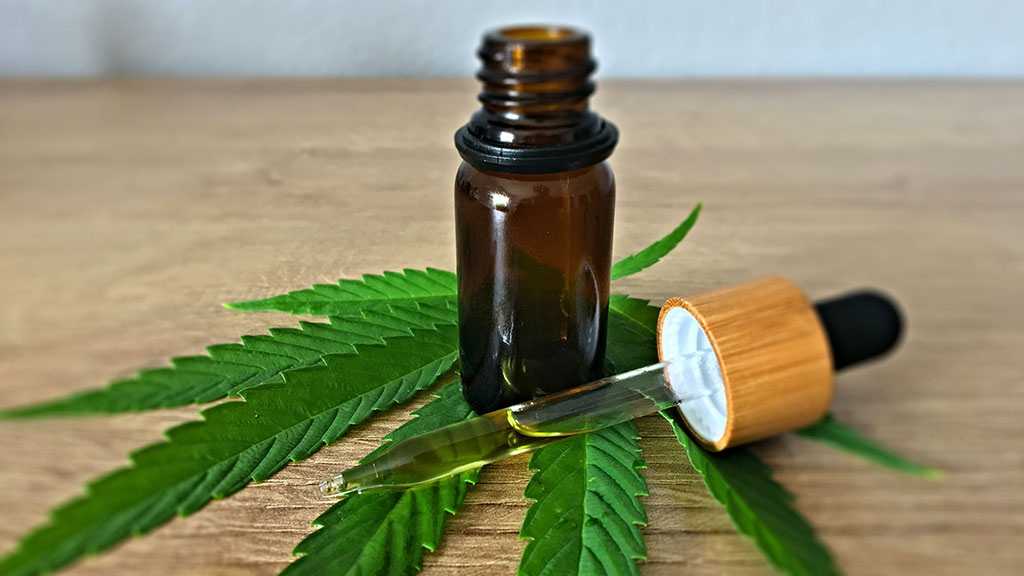
Techmet BD

Why More People Use CBD for Stress Relief

The number of CBD users continues to grow, especially among adults seeking functional, everyday wellness tools. Some of the most common reasons include:

1. It’s Non-Intoxicating

CBD does not produce a “high,” making it suitable for daily use.

2. It Works Gradually and Naturally

Many users prefer the gentle, balancing effect over fast but intense pharmaceutical options.

3. Few Side Effects

Most people experience minimal and manageable side effects, if any.

4. Versatility

CBD can be consumed in many forms depending on preference.

5. Growing Research

Studies suggest CBD may help reduce anxiety symptoms by influencing serotonin pathways and stress-response systems.

Top CBD Products for Stress Support

Several CBD product types have proven particularly popular for stress management:

1. CBD Oils and Tinctures

These allow precise dosing and fast absorption. Many users take oils in the morning or before bed.

2. CBD Gummies

Flavorful, discreet, and easy for beginners.

3. CBD Capsules

Perfect for those who want a pre-measured, consistent daily dose.

4. CBD Vapes

While not for everyone, vaping provides near-immediate effects. Some users prefer quick relief during intense stress moments.

5. CBD Teas and Beverages

A soothing, slower-release option that blends wellness with routine.

People often experiment with multiple products to find what fits their lifestyle.

How CBD Fits Into a Daily Stress-Relief Routine

CBD works best when paired with healthy habits. People using CBD for stress usually integrate it into routines that include:

  • Mindfulness or meditation
  • Regular sleep schedules
  • Daily movement or exercise
  • Balanced nutrition
  • Reduced caffeine intake
  • Breathing techniques

CBD doesn’t replace good habits—it enhances them.

Frequently Reported Benefits

While results vary, many users report:

  • A calmer mindset
  • Less overthinking
  • Reduced physical tension
  • Better sleep
  • More emotional balance
  • Improved ability to focus
  • Lower irritability

These effects often build gradually with consistent use.

Safety and Considerations

CBD is considered safe for most adults, but it’s important to use high-quality, third-party-tested products. Consumers should look for:

  • Lab reports (COAs)
  • Clear ingredient lists
  • Proper potency labeling
  • Organic hemp sourcing
  • Minimal additives

Anyone taking prescription medications should consult a healthcare professional before using CBD regularly.

The Science Behind CBD and Anxiety

Emerging studies suggest CBD may influence the brain’s serotonin receptors, which play a crucial role in mood regulation. CBD may also reduce activity in the amygdala—the part of the brain responsible for fear and stress responses—which could explain its calming effects.

Although research is ongoing, clinical results so far have been promising, especially for generalized anxiety, social anxiety, and sleep-related stress.

Addressing Misconceptions

Some myths still surround CBD, such as:

Myth 1: CBD gets you high.
It doesn’t. CBD does not produce intoxication.

Myth 2: CBD works instantly for everyone.
Effects vary. Some feel benefits quickly, while others need regular use for several weeks.

Myth 3: All CBD products are the same.
Quality varies dramatically between brands.

Reliable products are backed by testing, transparency, and reputable sourcing.

Final Thoughts

CBD has become a popular tool for stress management because it fits modern life: natural, gentle, flexible, and easy to integrate into everyday routines. Its ability to support the body’s stress response system makes it a valuable option for people seeking balance without harsh side effects.

As research grows and the wellness industry evolves, CBD will continue to play a significant role in helping individuals manage life’s pressures with calmness and clarity. Its rise reflects a broader shift toward sustainable, plant-based, and preventive approaches to mental well-being.


Health

Focused Psychiatric Support Enhancing Emotional Regulation For Individuals Managing Chronic Stress

Emotional regulation often requires consistency, structure, and careful clinical insight. Effective psychiatric guidance helps individuals create space between reaction and response. Steady emotional improvement often begins under the observation of a skilled Psychiatrist Dunwoody who emphasizes focused regulation methods. With measured feedback, clients start developing reliable coping patterns that align with personal goals and therapeutic milestones.

What Defines Therapeutic Psychiatric Support?

The foundation of therapeutic psychiatric support rests on precision and personalization. Each session aims to recognize behavioral triggers and restructure responses through methodical planning.

Framework Of Therapeutic Planning:

  • Establishing measurable progress within clinical settings
  • Integrating consistent evaluation at key milestones
  • Encouraging self-monitoring through guided techniques
  • Aligning emotional awareness with behavioral adaptation
  • Sustaining regulated responses during external stressors
  • Reinforcing stability using step-wise feedback

Treatment planning is never static. It adapts as the patient’s capacity for regulation evolves, ensuring the process remains both restorative and goal-driven.

Role Of Professional Insight:

Psychiatrists refine progress through observation and targeted adjustment. Their input strengthens understanding of emotional cycles, transforming uncertainty into adaptable awareness. Over time, clinical precision guides emotional steadiness into routine practice, supporting both focus and confidence.

How Does Structured Treatment Assist?

Every structured psychiatric approach blends analysis with consistency. Sessions move through identifiable stages that clarify emotional origins while introducing new management strategies.

Therapy Built On Structure:

  • Sequential phases promoting gradual emotional resilience
  • Regular assessments maintaining accountability and clarity
  • Contextual adjustments ensuring treatment adaptability
  • Collaborative reflection refining emotional recognition
  • Real-time feedback driving sustainable improvements
  • Reinforcement through guided role-practice

Psychiatrist Dunwoody delivers structured interventions that reinforce adaptive control during complex emotional cycles. These planned stages reduce impulsivity, heighten awareness, and create dependable emotional reference points.

Guided Reinforcement Process:

online psychiatrist

Ongoing evaluation strengthens the bridge between learned regulation and real-world use. Each reflection deepens internal understanding, translating professional instruction into consistent daily conduct. Psychiatric structure becomes a model for predictability, helping clients measure growth beyond the session.

Why Guided Sessions Build Progress?

Guided psychiatric sessions function as a framework for clarity and validation. Clients learn to contextualize emotions instead of suppressing them, reshaping how they interpret stress-inducing moments.

Consistent Feedback Loops:

  • Observation followed by transparent reflection cycles
  • Gradual introduction of behavioral adjustments
  • Repetition establishing emotional predictability
  • Positive reinforcement supporting response control
  • Mind-mapping patterns for behavioral consistency
  • Internal visualization promoting calm evaluation

These techniques transform guidance into grounded awareness. With each cycle, clients notice fewer reactive impulses and more structured thought patterns.

Transformative Relationship Dynamics:

Collaboration builds trust between psychiatrist and client. As sessions progress, emotional boundaries become clearer and less defensive. The ongoing dialogue allows patients to internalize professional objectivity, replacing uncertainty with cognitive stability.

Strengthening Stability Through Continuous Guidance

Sustained psychiatric care encourages resilience that extends beyond structured appointments. Long-term progress emerges when adaptive regulation becomes instinctive. Continuous guidance offers a framework where clients refine balance without dependence, ensuring emotional strength holds steady even during fluctuating pressures.