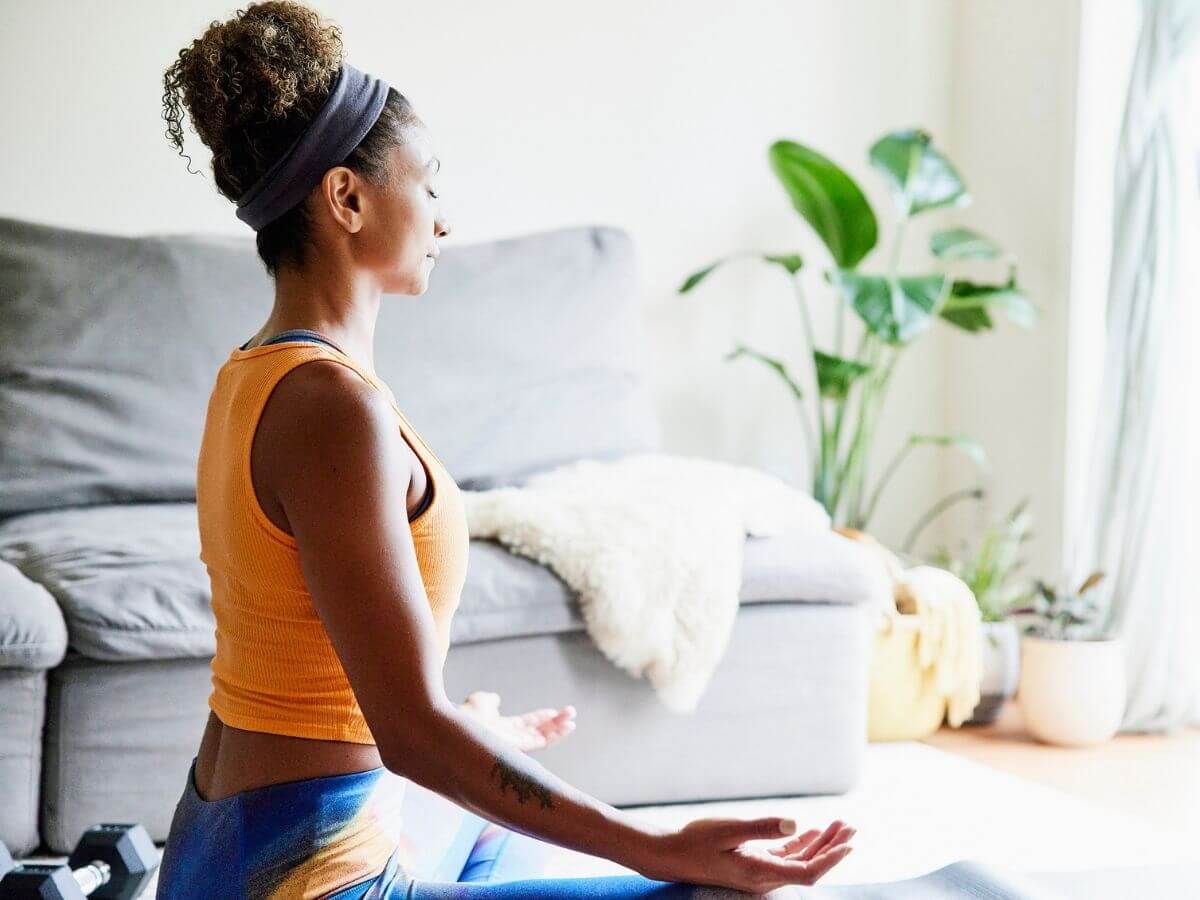
In today’s fast-paced world, stress is an almost inevitable part of our daily lives. Whether it’s due to work pressures, personal challenges, or the demands of modern life, it’s easy to feel overwhelmed. However, there is a simple yet powerful solution that many people are turning to: meditation and mindfulness.
Meditation and mindfulness practices have been around for centuries, but in recent years, they’ve gained widespread popularity as effective tools for reducing stress and promoting mental well-being. This article explores how these practices can benefit your mental health and overall life satisfaction.
What Is Meditation?
Meditation is the practice of focusing the mind to achieve a mentally clear and emotionally calm state. It’s often done through techniques such as breathing exercises, guided imagery, and mantras. The goal of meditation is to quiet the mind, reduce the constant chatter of thoughts, and help you achieve a sense of inner peace.
There are various forms of meditation, including mindfulness meditation, transcendental meditation, and loving-kindness meditation, among others. Each type has its unique approach, but all aim to calm the mind and promote relaxation.
The Role of Mindfulness
Mindfulness is the practice of staying present in the moment and accepting it without judgment. It involves focusing on your thoughts, feelings, and surroundings with full awareness, rather than letting your mind wander to past events or future worries. By practicing mindfulness, you can learn to manage stress and negative emotions more effectively.
Mindfulness doesn’t just have to be practiced in a quiet, seated position. You can apply it to any activity, such as walking, eating, or even washing dishes. The key is to stay fully present and avoid distractions.
Benefits of Meditation and Mindfulness
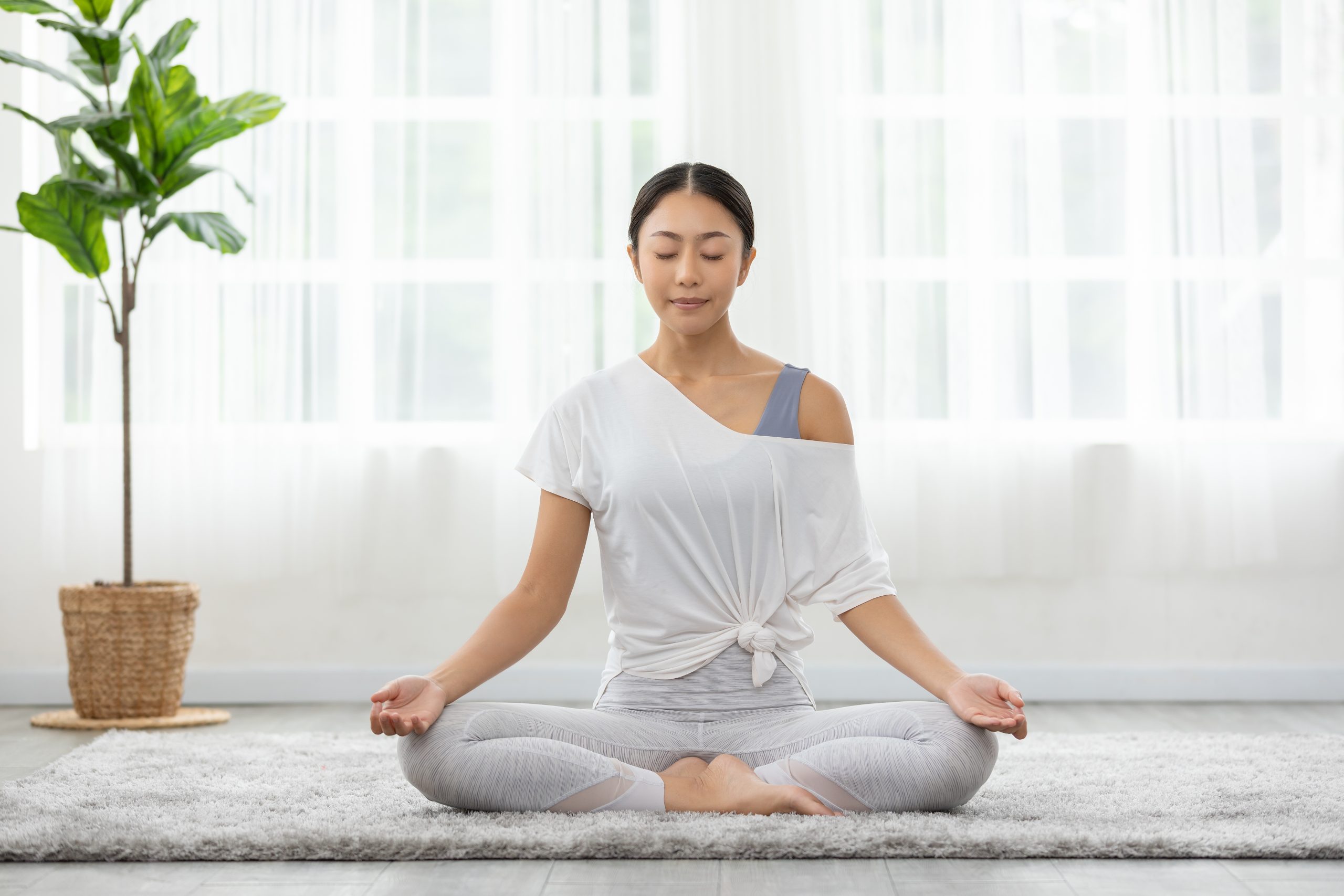
- Stress Reduction: One of the most significant benefits of meditation and mindfulness is their ability to reduce stress. By calming the mind and allowing you to focus on the present, these practices can reduce the physical and mental symptoms of stress, such as anxiety, tension, and racing thoughts.
- Improved Focus and Concentration: Meditation helps train the mind to concentrate and focus on the task at hand. Over time, this improves your ability to focus in everyday activities, such as work or study.
- Better Sleep: Meditation has been shown to promote better sleep by helping to calm the mind before bedtime. People who practice meditation regularly report falling asleep more quickly and enjoying deeper sleep.
- Emotional Regulation: Mindfulness helps you become more aware of your emotions and how they affect your behavior. This increased awareness allows you to respond to situations with greater calm and control, rather than reacting impulsively.
- Reduced Anxiety and Depression: Studies have found that meditation and mindfulness can help reduce symptoms of anxiety and depression. These practices help you detach from negative thought patterns and emotions, leading to a more balanced and positive mindset.
How Meditation Helps Photographers
Meditation is not just for those seeking general stress relief; it can also be beneficial for professionals like photographers. Those in creative fields, such as Noan Photography, often experience stress when deadlines are looming or when dealing with creative blocks. Practicing mindfulness can help photographers focus on the present moment, allowing them to engage more deeply with their subjects and capture the perfect shot.
By taking time to meditate before a shoot, photographers can clear their minds and alleviate the pressure of getting the perfect image. This helps them approach their work with a sense of calm and clarity, leading to more creative and productive results.
Tips for Getting Started
If you’re new to meditation or mindfulness, here are a few tips to help you get started:
- Start small: Begin with just five minutes of meditation per day and gradually increase the duration as you become more comfortable.
- Find a quiet space: It’s easier to meditate in a quiet space where you won’t be disturbed. This allows you to focus fully on your practice.
- Focus on your breath: Use your breath as a focal point during meditation. Inhale deeply and exhale slowly, focusing on the sensation of breathing.
- Be patient: Meditation takes time and practice. Be patient with yourself and avoid self-criticism if your mind starts to wander.
Conclusion
Meditation and mindfulness offer powerful tools for managing stress and improving overall well-being. Whether you’re looking to relax, focus, or gain greater emotional clarity, these practices can help. For creative professionals like photographers or anyone dealing with daily stressors, mindfulness offers an effective way to stay grounded and calm. By incorporating these techniques into your routine, you can experience better mental health and more productive, fulfilling days ahead.