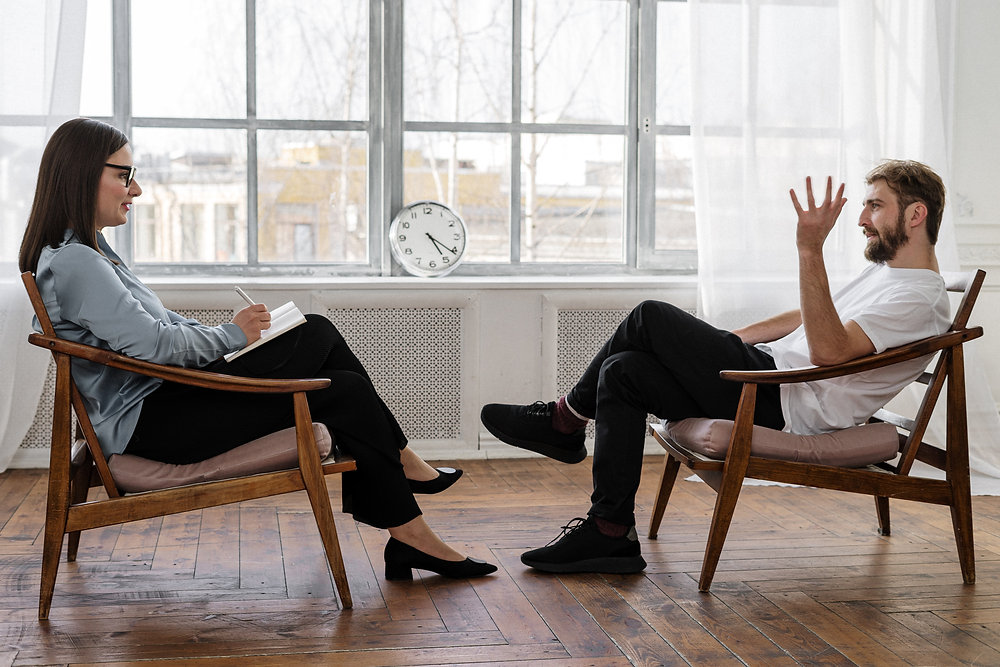
People usually notice anxiety more clearly after it starts affecting ordinary routines. Sleep changes first sometimes. Or patience disappears faster than before. While searching for calmer emotional support methods, a lot of people eventually read about Hypnotherapy for anxiety because it feels less aggressive than they expected. Most sessions focus on guided relaxation, emotional awareness, and calming repetitive mental reactions rather than forcing intense emotional discussions immediately.
Modern routines often increase mental overstimulation
The mind rarely gets proper quiet anymore. Phones stay active constantly. Work messages continue after hours. People scroll through information late into the night without really noticing how overstimulated they have become.
Then eventually the nervous system starts reacting to everything more intensely.
Small delays feel stressful. Minor problems stay in the mind too long. Emotional reactions become faster and harder to switch off afterward. It builds gradually like that.
Some individuals do not even realize how mentally crowded they feel until they experience a genuinely calm moment again later.
Anxiety can interrupt sleep concentration and communication
One frustrating thing about anxiety is how it spreads into multiple parts of life at the same time.
A person might struggle with:
- restless sleep
- racing thoughts before bed
- nervousness during conversations
- difficulty concentrating
- emotional exhaustion after social situations
None of those things seem huge individually. Together though, they slowly drain emotional energy.

And once sleep quality drops, everything usually feels heavier the next day anyway. The brain becomes less patient. The body feels tense more easily. Even ordinary routines start feeling mentally louder than before. That cycle can continue longer than people expect.
Guided sessions aim to reduce emotional resistance gradually
A lot of anxious thinking happens automatically. The mind reacts before the person even fully processes the situation. Hypnotherapy sessions often try helping individuals interrupt those repeated internal reactions through focused calming exercises and slower mental pacing.
Sometimes the changes appear subtly.
A person notices they recovered emotionally faster after a stressful moment. Or maybe they stop replaying conversations for hours afterward. Little things like that.
Still important though.
Not every improvement arrives dramatically. Emotional progress is usually quieter than people imagine beforehand.
Calm thinking patterns may improve everyday decision making
When somebody stays mentally tense all the time, even simple decisions can start feeling exhausting. The brain overanalyzes possibilities endlessly instead of moving naturally through situations.
That constant internal pressure affects confidence too.
People begin second guessing themselves more often. They delay decisions. Avoid difficult conversations. Overprepare for completely manageable situations.
In emotional wellness discussions, Hypnotherapy for anxiety is often explored because many individuals want support methods that encourage calmer internal responses instead of remaining stuck in nonstop mental overstimulation. Some appreciate the structured relaxation aspect. Others simply value having dedicated time where the mind finally slows down properly.
And honestly, calmer thinking affects daily life more than people first realize.
Some people notice subtle improvements first
The first changes are often easy to miss. Better sleep for a few nights. Less tension during conversations. Feeling calmer while driving or sitting in crowded places. Recovering from stressful moments faster than usual. Usually they just want ordinary life to stop feeling emotionally exhausting all the time.