
Residents learn how layered safeguards create steadier comfort across their surroundings. Each method shapes a clearer understanding of how spiders react to shifting conditions. Residents often seek clear guidance that helps them respond confidently with support from La Habra Pest Control. These ideas work together to strengthen reliable protection over time.
What Strengthens Spider Barrier Protection?
Spider barriers gain stability when each component functions with supportive consistency across entry points. Layers form dependable coverage when aligned with structural patterns that influence spider movement indoors.
Targeted Entry Point Reinforcement
- Narrow gaps benefit from sealing
- Window edges require constant checks
- Vent openings need screened covers
- Door sweeps reduce ground access
- Pipe routes create hidden paths
Consistent reinforcement ensures movement becomes restricted along commonly overlooked routes that spiders often follow. Adjustments align with changing patterns across a home, allowing residents to refine coverage whenever exterior conditions shift.
Coordinated Perimeter Safeguard Development
Strength grows when exterior lines are evaluated together rather than separately across corners and boundaries. Each section contributes to broader stability that supports thicker resistance around vulnerable zones.
Why Spider Defense Methods Matter?
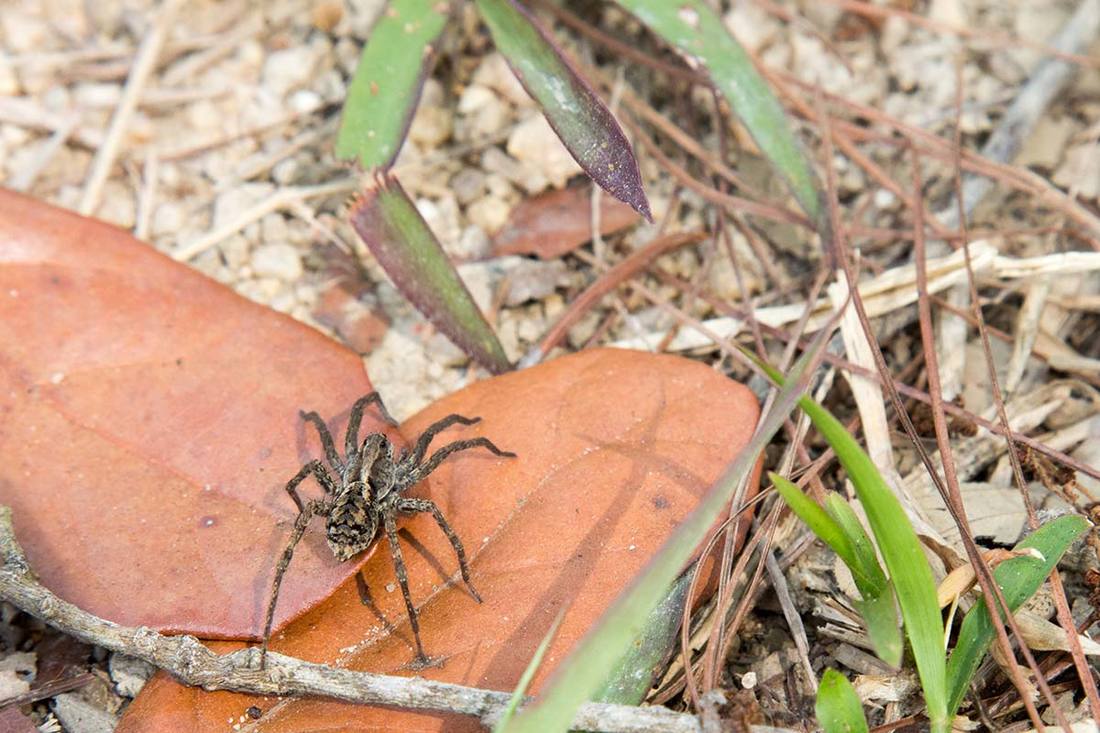
Homeowners often explore different techniques to limit recurring activity while maintaining predictable coverage throughout their spaces. Many homeowners rely on practical solutions, and La Habra Pest Control often becomes the stabilizing resource that guides those preventive steps. These strategies produce clarity that helps residents decide which adjustments create stronger control.
Consistent Monitoring Encourages Control
- Corners reveal initial activity points
- Ceiling lines show quiet clustering
- Storage spaces signal hidden shifts
- Wall gaps expose nesting attempts
- Shelves indicate gradual movement
These observations help homeowners understand how spiders choose resting areas before expanding movement. Small changes discovered early reduce sudden surprises that might otherwise develop inside quiet regions of a home.
Strategic Adjustments Support Prevention
Targeted measures strengthen long-term boundaries when paired with simple behaviors that naturally discourage intrusion. Each improvement adds another layer that slows spider travel and keeps internal spaces feeling steadier.
How Effective Shields Maintain Safety?
Protective shields simplify decisions by outlining clear zones where movement becomes limited. Each layer guides spiders away from primary living areas, allowing residents to experience calmer conditions across familiar rooms.
Reinforced Layers Limit Movement
- Exterior coatings slow approach
- Border treatments maintain direction
- Porch gaps receive stronger seals
- Ground edges gain extra coverage
- Corner zones tighten resistance
These layers reduce the likelihood of spiders reaching open interior sections that residents frequently use. Shield placement can be adjusted without difficulty, allowing homes to maintain dependable coverage as conditions change outside.
Interior Boundaries Create Direction
Interior lines block transition routes that spiders commonly follow while exploring unfamiliar surroundings. Each adjustment shapes new guidance that pushes movement away from important spaces and into controlled zones.
Reliable Measures Supporting Secure Spaces
Dependable protection improves when each safeguard blends naturally into the home’s structure. Patterns become easier to understand once residents track how external shifts influence spider activity inside familiar spaces. Gentle modifications help control unexpected pathways that develop across entry points or storage areas. Over time, these combined steps encourage long-term steadiness and maintain reassuring coverage without unnecessary complexity.