

Food is more than fuel. The choices people make every day—often without much thought—quietly shape energy levels, immunity, mental clarity, and long-term health outcomes. While nutrition trends come and go, the impact of consistent eating habits remains one of the strongest predictors of overall well-being. Understanding how everyday nutrition works can help people move beyond quick fixes and build a healthier relationship with food.
Many health issues do not appear overnight. They develop slowly through repeated patterns. Diet plays a central role in this process. The good news is that small, sustainable changes can create meaningful improvements without extreme restrictions or complicated meal plans.
The Power of Daily Eating Habits
Nutrition is cumulative. One unhealthy meal does not ruin health, just as one healthy meal does not guarantee it. What matters most is what people eat consistently. Regular consumption of nutrient-dense foods supports stable blood sugar, healthy digestion, and sustained energy throughout the day.
Highly processed foods, on the other hand, often contain excess sugar, sodium, and unhealthy fats. These ingredients may provide short-term satisfaction but contribute to inflammation, fatigue, and cravings over time. When these foods dominate daily intake, the body struggles to maintain balance.
Developing awareness around eating patterns is a powerful first step. Simply noticing how certain foods affect mood, focus, or energy levels helps guide better decisions without strict rules.
Macronutrients and Balance
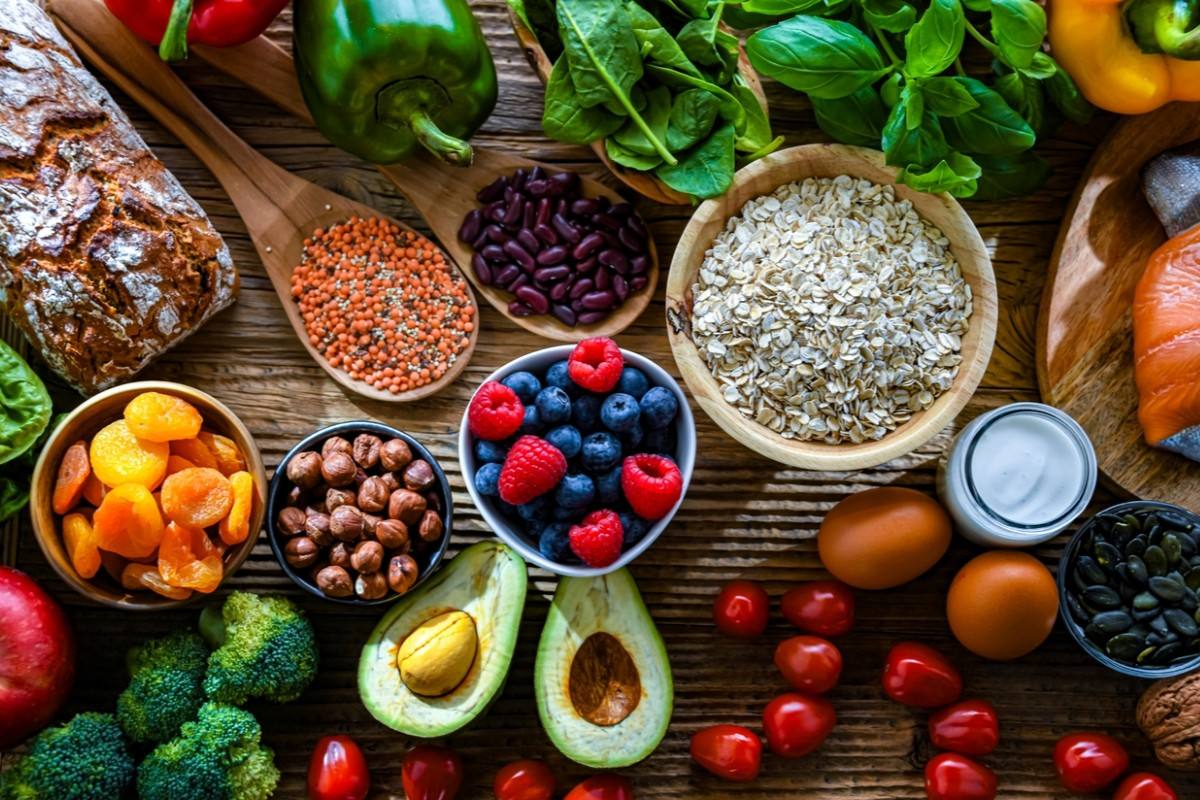
A balanced diet includes carbohydrates, proteins, and fats. Each macronutrient plays a specific role in supporting the body. Carbohydrates provide energy, proteins support muscle repair and immune function, and fats help with hormone production and nutrient absorption.
Problems arise when one group is overemphasized or eliminated entirely without medical guidance. Extreme diets may deliver short-term results but often fail long-term. Balanced meals that include all three macronutrients promote stability and satisfaction.
Whole food sources tend to offer better nutritional value than refined alternatives. Whole grains, lean proteins, healthy fats, fruits, and vegetables provide vitamins, minerals, and fiber that processed foods lack.
Micronutrients and Hidden Deficiencies
While macronutrients receive most of the attention, micronutrients are equally important. Vitamins and minerals support everything from bone health to cognitive function. Deficiencies can develop quietly, especially in individuals with limited dietary variety.
Iron, vitamin D, magnesium, and B vitamins are commonly lacking in modern diets. Symptoms may include fatigue, weakened immunity, or difficulty concentrating. Addressing these gaps often starts with food choices rather than supplements.
Nutrition discussions sometimes include platforms like Tmkiki when people explore how digital resources influence eating habits, but long-term health ultimately depends on consistent, informed choices rather than trends.
The Role of Hydration
Hydration is often overlooked in nutrition conversations. Water supports digestion, circulation, temperature regulation, and cognitive performance. Mild dehydration can lead to headaches, low energy, and reduced focus.
Many people confuse thirst with hunger, leading to unnecessary snacking. Drinking enough water throughout the day helps regulate appetite and supports overall metabolic function. While individual needs vary, paying attention to hydration cues is an essential part of nutritional awareness.
Replacing sugary drinks with water or unsweetened beverages is one of the simplest ways to improve dietary quality without changing food intake.
Nutrition and Mental Well-Being
Food choices influence not only physical health but also mental and emotional states. Blood sugar fluctuations affect mood and concentration. Diets high in refined sugars and low in nutrients are linked to increased anxiety and depressive symptoms.
On the other hand, diets rich in whole foods support brain health. Omega-3 fatty acids, antioxidants, and complex carbohydrates contribute to stable neurotransmitter function. Regular meals also help prevent energy crashes that impact motivation and productivity.
Establishing predictable eating patterns creates a sense of routine and stability, which supports mental well-being during stressful periods.
Sustainable Eating Over Perfection
One of the biggest obstacles to healthy eating is the pursuit of perfection. All-or-nothing thinking often leads to cycles of restriction and overeating. Sustainable nutrition focuses on progress, not rigidity.
Enjoying favorite foods in moderation prevents feelings of deprivation. Planning meals that are both nutritious and satisfying increases adherence. Flexibility allows people to adapt nutrition habits to real-life situations like travel, celebrations, and busy schedules.
Online wellness conversations, including those that occasionally reference Tmkiki, highlight how personalizing nutrition leads to better long-term outcomes than following strict rules.
Long-Term Health and Preventive Nutrition
Nutrition plays a key role in preventing chronic diseases such as heart disease, diabetes, and obesity. Diets high in fiber, lean protein, and healthy fats support cardiovascular health and metabolic stability.
Preventive nutrition is not about fear. It is about empowerment. Making informed choices today reduces reliance on medical intervention later. Over time, consistent nutrition habits compound into better mobility, energy, and independence.
Regular check-ins with healthcare professionals help tailor nutrition to individual needs, especially as age, activity level, and health conditions change.
Building a Healthier Relationship With Food
Healthy eating is not about control; it is about care. When food is viewed as nourishment rather than reward or punishment, choices become easier. Listening to hunger and fullness cues builds trust between the body and mind.
Cooking at home, experimenting with flavors, and sharing meals with others deepen appreciation for food. These practices transform nutrition from a task into a supportive part of daily life.
A Practical Path Forward
Every meal is an opportunity to support health. No single choice defines success or failure. Over time, small adjustments create meaningful change. By focusing on balance, consistency, and awareness, people can build nutrition habits that support both present energy and future well-being.