
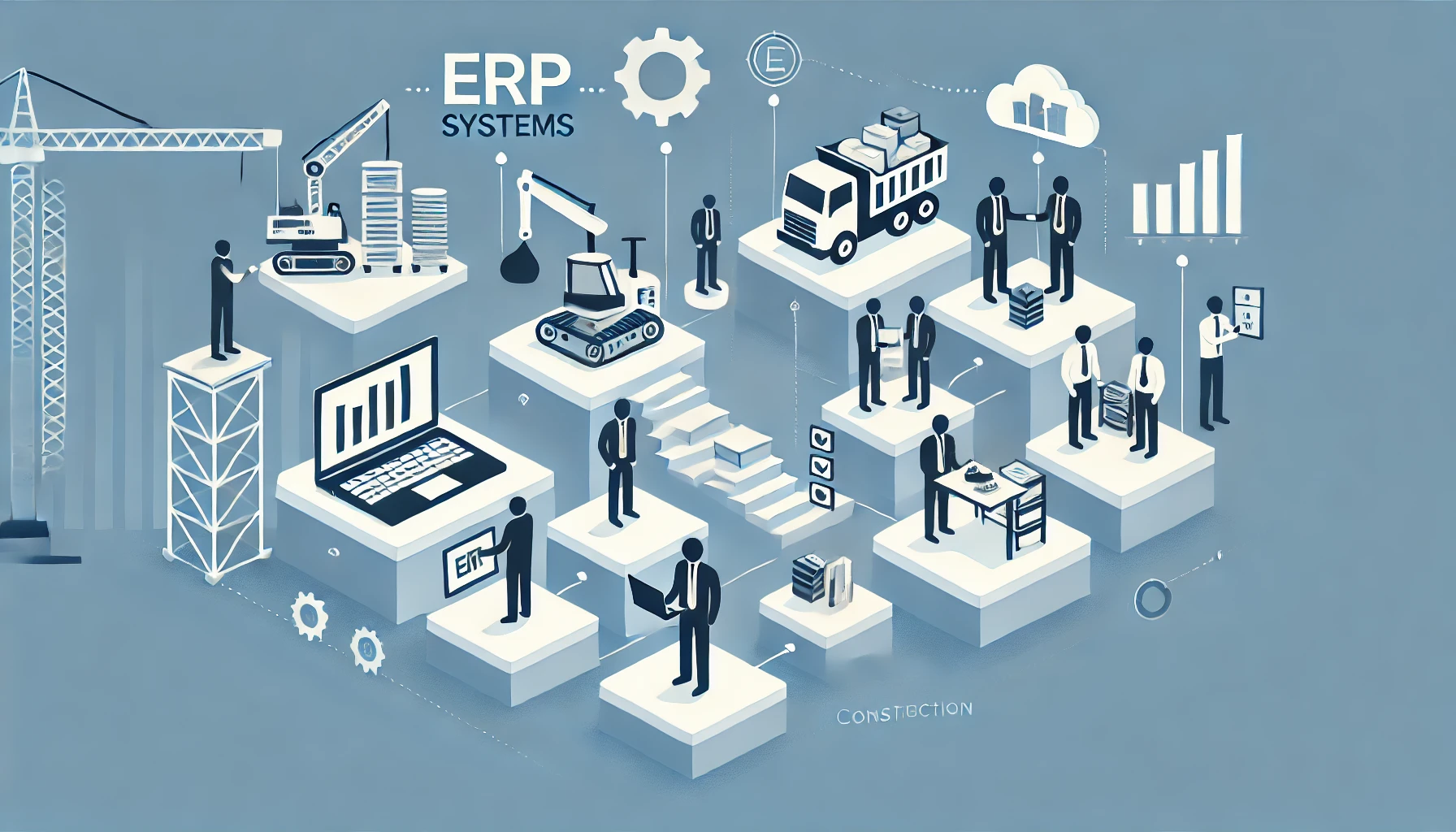
Older methods are still around for a reason. They worked for a long time. Spreadsheets, manual notes, scattered updates across teams. People got used to that flow. But once projects get bigger, those methods start feeling stretched. Not broken exactly. Just not enough anymore.
Information comes late. Some updates don’t reach the right people. Decisions get made with half clarity.
So when someone opens something like https://researchsnipers.com/top-5-construction-erp-software-solutions-in-2026/, it usually comes from that quiet frustration. Nothing dramatic. Just a feeling that things could be handled better.
What new solutions bring to the table
Modern systems don’t remove complexity. That part stays. What they change is how information is handled. Everything starts coming into one place instead of being scattered.
- Updates are easier to find
- Data does not feel split across tools
- Teams can look at the same thing at the same time
It sounds simple, maybe even obvious. But in practice, it changes how people think while working. Less guessing. More checking.
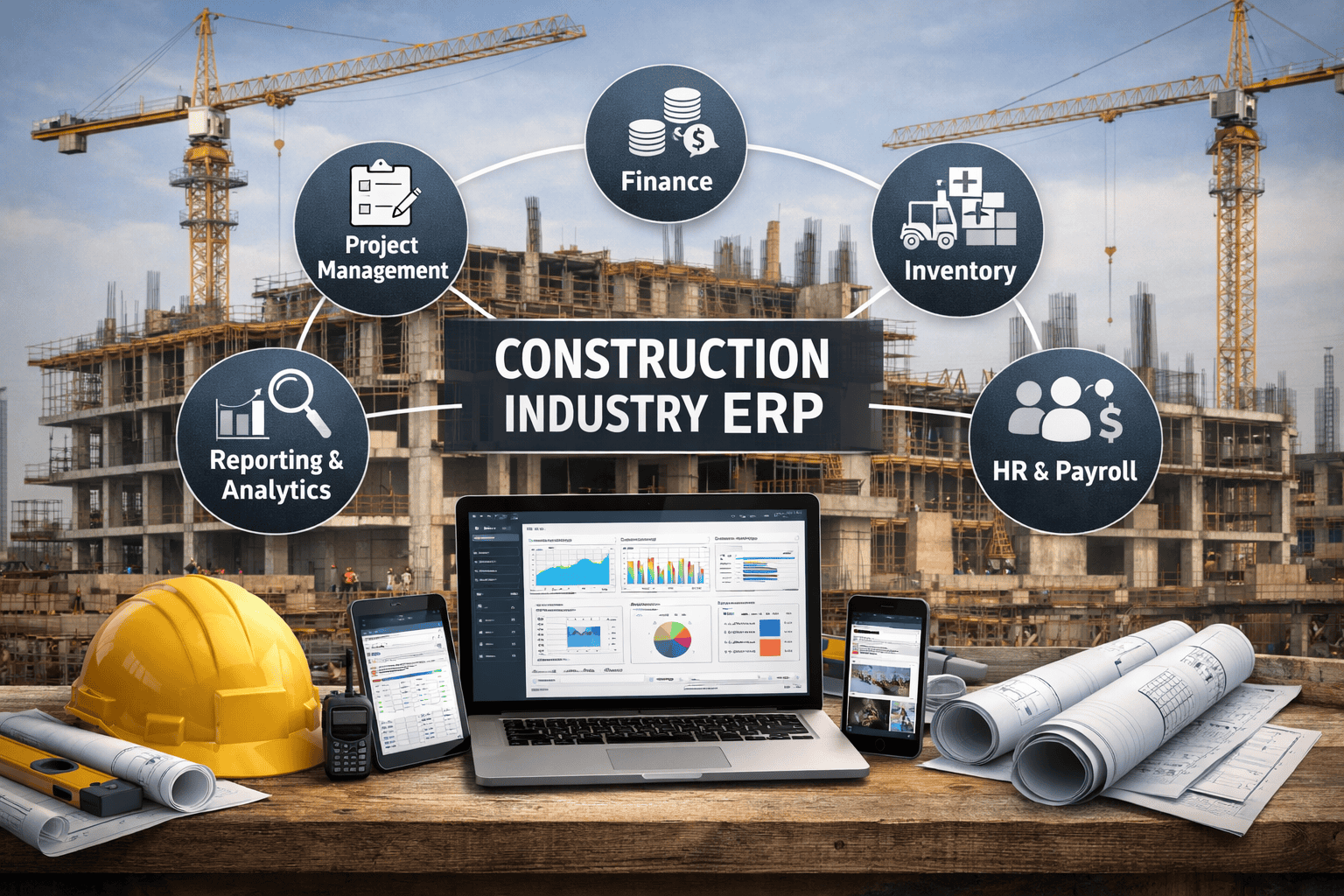
How teams adapt to newer systems
Adapting is never clean. Some people get comfortable quickly. Others take time. Some resist it without saying it directly. There is always a phase where people go back to old habits. Even after learning the new system.
So, progress feels uneven. One day it works well, next day it feels off again. And that back and forth can last longer than expected. It settles eventually. But not in a straight line.
The role of real time insights in decisions
Real time insights sound like a big advantage. And they are. But only if used properly.
- Teams can see what is happening right now
- Delays show up earlier
- Adjustments can be made faster
But if updates are not consistent, the system loses that edge. So, it depends a lot on how regularly people use it. Not just the tool itself.
Where improvements become noticeable
First, communication gets slightly better. Then tracking improves. Planning starts feeling a bit more stable. But some areas still feel unchanged for a while. So the overall experience feels mixed in the beginning. Better in some parts, same in others.
Even with better systems, challenges don’t disappear. They just change shape. Some teams struggle with learning curves. Others feel certain features are too much. Some feel the system is too structured. Others think it is not structured enough. It varies.
After exploring something like https://researchsnipers.com/top-5-construction-erp-software-solutions-in-2026/, people often realize that choosing a system is not just about what it offers. It is about how well it fits their way of working. And that fit is not always obvious at the start.